The Optimal Diet & Nutrition As We Age
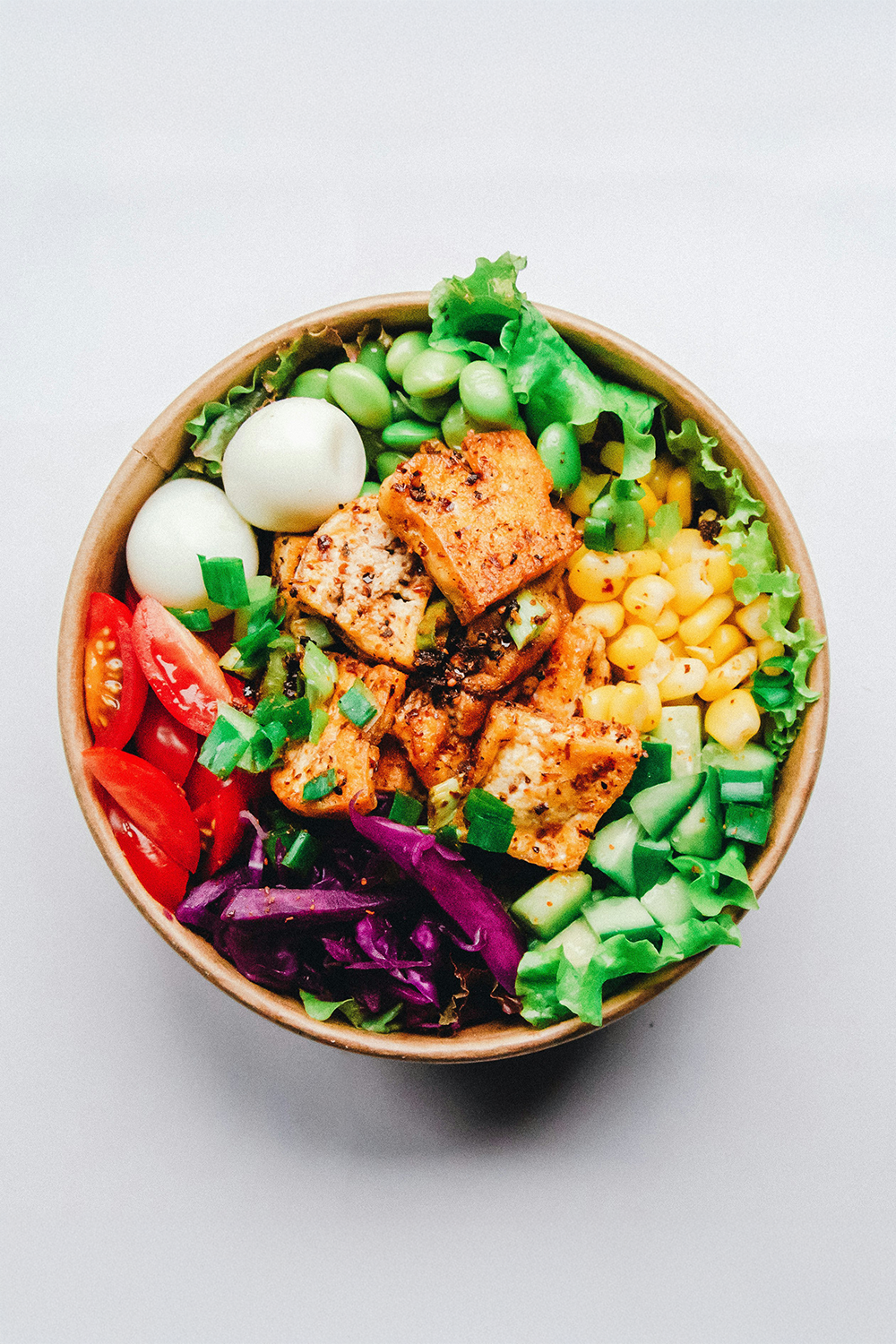
As we age, our bodies go through many changes that affect how we process food, absorb nutrients, and maintain energy. For seniors, maintaining a balanced and nutritious diet plays a vital role in supporting overall health, strengthening the immune system, and improving quality of life.
A well-planned diet can help seniors stay active, maintain a healthy weight, and manage or prevent chronic health conditions.
Focus on Nutrient-Rich Foods
Older adults often need fewer calories, but they still require plenty of nutrients. Because of this, it’s important to choose foods that are rich in vitamins, minerals, and other essential nutrients.
Some excellent nutrient-dense foods for seniors include:
Fresh fruits and vegetables
Whole grains such as oatmeal, brown rice, and whole wheat bread
Lean proteins like fish, poultry, beans, and eggs
Low-fat dairy products such as milk, yogurt, and cheese
Healthy fats from foods like avocados, nuts, and olive oil
These foods provide the body with the nutrients it needs to maintain strength, support brain function, and keep the body functioning properly.
The Importance of Protein
Protein becomes especially important as we age because it helps maintain muscle mass and strength. Adequate protein intake can help seniors stay mobile, prevent muscle loss, and support recovery from illness or injury.
Good sources of protein include:
Fish and seafood
Chicken and turkey
Eggs
Beans and lentils
Greek yogurt
Tofu and plant-based proteins
Including protein in each meal can help maintain energy levels and support overall health.
Staying Hydrated
Hydration is another important factor in senior health. Many older adults do not feel thirst as strongly as they did when they were younger, which can increase the risk of dehydration.
Drinking water throughout the day is essential. Seniors can also stay hydrated by consuming foods with high water content such as:
Watermelon
Cucumbers
Oranges
Soups and broths
Proper hydration supports digestion, circulation, and overall bodily function.
Supporting Bone and Heart Health
Calcium, vitamin D, and heart-healthy nutrients are particularly important for seniors. These nutrients help maintain bone density and support cardiovascular health.
Foods that support bone and heart health include:
Dairy products or calcium-fortified alternatives
Leafy green vegetables
Fatty fish such as salmon
Nuts and seeds
Whole grains
Maintaining a balanced diet rich in these nutrients can help reduce the risk of osteoporosis and heart disease.
Healthy Eating Habits
In addition to choosing nutritious foods, seniors can benefit from healthy eating habits such as:
Eating smaller, balanced meals throughout the day
Limiting processed foods and excess sodium
Choosing fresh ingredients whenever possible
Consulting with healthcare providers about specific dietary needs
Good nutrition, combined with regular physical activity and proper medical care, helps seniors maintain independence and overall well-being.
Supporting Seniors Through Proper Care
Maintaining a healthy diet can sometimes become challenging as people age, especially when dealing with health conditions, mobility limitations, or recovery from illness.
Professional home healthcare support can help seniors maintain healthy routines, including assistance with meal preparation, medication management, and daily wellness needs.
At Affinity Home Healthcare, our goal is to provide compassionate, personalized care that supports the health, dignity, and comfort of every patient we serve in the place they feel most at home.